Physical Address
304 North Cardinal St.
Dorchester Center, MA 02124
Physical Address
304 North Cardinal St.
Dorchester Center, MA 02124

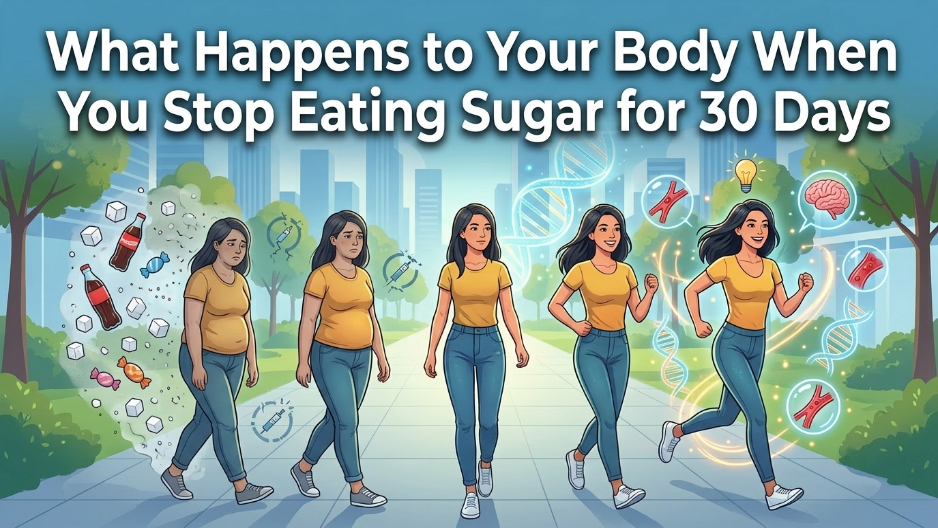
Most people know sugar is not great for them. What most people do not know is exactly what happens — day by day, system by system — when they remove it. The changes are more dramatic than you might expect, and they begin far sooner.The average American consumes 17 teaspoons of added sugar daily — more than two to three times the recommended limit. One reason people reach for something sweet is that sugar stimulates the release of dopamine — a hormone that drives pleasure and makes you feel good.
This is precisely what makes cutting it out so difficult — and the results so significant when you do.
The first week is the hardest. Your body has been receiving a steady supply of sugar and has adjusted its chemistry accordingly. When that supply stops, it reacts.
Your blood sugar levels begin stabilizing as you eliminate the constant influx of added sugars. However, this adjustment period can feel challenging as your body adapts to using stored energy more efficiently. Withdrawal symptoms typically peak within the first week and can include fatigue, headaches, mood swings, and intense cravings for sugar or carbohydrates.
This is not weakness. It is your body recalibrating. Push through the first seven days and the biology shifts in your favor.
Once past the withdrawal phase, most people report a transformation in their energy levels that they did not anticipate.
With more stable blood sugar, energy levels start to stabilize — avoiding the highs and lows associated with sugar consumption. Mental clarity and focus improve, making daily tasks easier to manage. Mood swings become less frequent, contributing to a more balanced emotional state.
The afternoon energy crash that most people treat as an inevitable part of the day disappears. Energy becomes steady, reliable, and sustained — because it is no longer driven by the spike and crash cycle of added sugar.
According to a dermatologist, you can see a visible improvement in skin glow within 14 days of giving up sugar. Research published in Food Science and Nutrition in 2025 found that while sugar accelerates skin aging, foods rich in antioxidants slow down the process.
The mechanism behind this is glycation — a process where sugar molecules attach to proteins in the skin, including collagen, and damage them. Less sugar means less glycation, which means less breakdown of the collagen that keeps skin firm and clear.
The risk of dying from heart disease is 38% higher among those who get 17% or more of their calories from sugar, compared to those whose sugar intake makes up 8% of their diet. Added sugars raise insulin levels, which activates the sympathetic nervous system, increasing heart rate and blood pressure. Removing sugar can lead to a 30% decrease in triglycerides and a ten percent reduction in LDL cholesterol.
These are not minor improvements. They represent a meaningful reduction in cardiovascular risk that begins within weeks of cutting added sugar.
This is perhaps the most unexpected change reported by people who complete a 30-day sugar reduction — the way food tastes fundamentally shifts.
A registered dietitian noted that by the fourth sugarless day, ordinary foods taste dramatically different. An apple tastes like candy. Onions taste sweet. Almonds taste sweet. Once you take sugar away from your diet cold turkey, your palate recalibrates and you start tasting natural sugars again.
Foods that previously tasted bland become genuinely enjoyable. The constant craving for intensely sweet foods fades because your taste buds are no longer desensitized to lower-level natural sweetness.
Research published in Nutrition, Metabolism and Cardiovascular Diseases confirmed a link between added sugar intake and weight gain over a 30-year study. People who ate less added sugar weighed ten pounds less on average, and those with higher added sugar consumption had a measurably greater increase in waist size.
When you eliminate added sugar, you eliminate a significant source of empty calories — food that provides energy but none of the fiber, protein, or nutrients that create satiety. The result is that hunger naturally decreases, and weight loss often follows without deliberate restriction.
Deeper, less disrupted sleep is one of the benefits of cutting out sugar. People who eat sugary foods throughout the day end up on a blood sugar rollercoaster that sometimes carries into the night — causing blood sugar drops that jolt them awake during sleep. Stabilizing blood sugar through reducing sugar intake leads to more restful, uninterrupted sleep.
If you regularly wake up in the night or feel unrefreshed in the morning, your evening sugar intake may be part of the reason.
One important clarification: this is about added sugar — not natural sugars in whole fruits, vegetables, and dairy. Natural sugars come packaged with fiber, vitamins, and minerals that change how the body processes them. The 30-day goal is to eliminate processed sugar, sugary drinks, desserts, and the hidden sugar in packaged foods — not fruit.
Start by reading the ingredient labels on five things in your kitchen right now. The results may surprise you.
Related Articles:
Disclaimer: This content is for informational purposes only and does not constitute medical or dietary advice. Consult a qualified healthcare professional before making significant dietary changes.