Physical Address
304 North Cardinal St.
Dorchester Center, MA 02124
Physical Address
304 North Cardinal St.
Dorchester Center, MA 02124

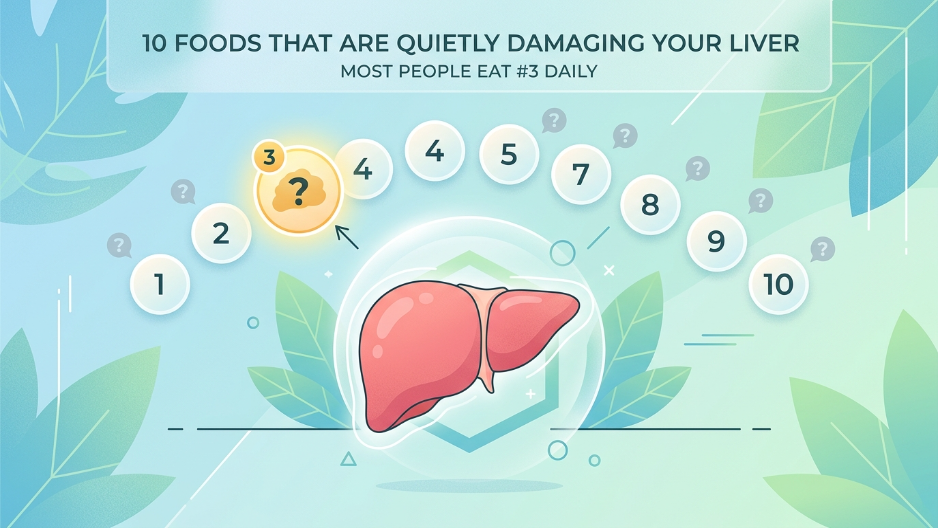
Your liver does more than 500 jobs every single day. It filters your blood, produces bile for digestion, stores energy, and neutralizes toxins. It does all of this silently — which is exactly why most people do not notice the damage until it is significant
Eating too many processed, high-fat, or sugar-laden foods forces your liver to work overtime, increasing the risk of fatty liver disease, inflammation, and scarring. The most dangerous part is how gradually this damage builds — and how ordinary most of the culprits are.
Excess sugar — especially from sodas, energy drinks, and desserts — can overload your liver. Unlike other organs, the liver processes fructose and converts it into fat. Too much fructose can lead to non-alcoholic fatty liver disease, where fat builds up in liver cells and increases the risk of liver damage.
Dark-colored sodas cause additional harm because they contain phosphorus additives that the body absorbs far more readily than naturally occurring phosphorus — putting extra strain on both the liver and kidneys.
Even moderate drinking affects the liver more than most people realize. Alcohol is one of the liver’s biggest stressors. It must be processed and detoxified like any other toxin — and every drink adds to that workload.
Heavy drinking changes how the kidneys work and can raise blood pressure, a leading cause of both liver and kidney disease. Alcohol also interferes with the body’s water balance by dehydrating the body, making the liver work harder to perform its filtration role.
The liver can recover from occasional moderate drinking. What it cannot recover from easily is sustained, regular overloading.
This is the one that catches most people off guard — because processed foods do not look as obviously harmful as alcohol or soda.
A 2022 study found that people who eat a lot of processed foods had a 24% higher risk of kidney disease — and these same foods place equivalent stress on the liver. Heavily processed foods are packed with artificial additives, added sugar, refined carbs, unhealthy fats, and sodium, but are low in fiber, protein, and essential nutrients.
Packaged snacks, ready meals, instant noodles, fast food — consumed daily, these force your liver to continuously process and filter a stream of artificial compounds it was not designed to handle at this volume.
Too much sodium leads to water retention and high blood pressure, both of which stress the liver and kidneys. Canned soups, processed snacks, frozen meals, and restaurant foods are often loaded with sodium.
The recommended daily sodium limit is 2,300mg. A single can of many popular soups already contains more than that. Most people eating a processed food diet consume two to three times the recommended amount without realizing it.
Canola, soybean, and corn oil seem benign, but the processing involves high heat, pressure, and harsh chemicals. This creates toxic byproducts such as aldehydes, which are directly damaging to the liver’s tiny filtration units. Over time, eating these oils can cause scarring and degrade the liver’s ability to do its job.
These oils are found in almost every processed food, fried food, and restaurant-cooked meal. Switching to extra virgin olive oil for home cooking makes a meaningful difference in the burden placed on your liver.
Choosing diet drinks and sugar-free products to avoid liver damage from sugar may actually be substituting one problem for another.
Aspartame, sucralose, and acesulfame potassium — found in countless sugar-free products — are directly toxic to liver and kidney tissue. Aspartame can break down into methanol and formaldehyde in the body.
The evidence on artificial sweeteners and liver health continues to grow. Switching to water, unsweetened sparkling water, or herbal tea is a far safer alternative.
Non-dairy creamers are not cream at all — they are a chemical cocktail of additives including titanium dioxide, emulsifiers, artificial colors, and flavors. These substances have been shown to make cell membranes more permeable, potentially damaging liver and kidney tissue over time.
If you add creamer to every cup of coffee and drink multiple cups per day, the cumulative exposure to these compounds adds up significantly over time.
Red meat is a natural food with genuine nutritional value. The problem is volume and frequency.
Red meat contains a large quantity of protein, and while the body needs some protein to grow, heal, and stay healthy, too much protein makes the liver and kidneys work harder to process the excess waste products of protein metabolism.
Organ meats are particularly high in purines, which stimulate the production of uric acid — a compound that stresses both the liver and kidneys and can form kidney stones.
Table sugar, high-fructose corn syrup, and agave — even honey in large amounts — cause significant harm to the liver. It is not just the blood sugar spike — it is the way fructose is processed by the liver, leading to a surge in uric acid. This acid produces crystals that harm liver tissue and can create kidney stones.
Fructose is uniquely processed by the liver in a way that glucose is not. This means that foods high in fructose place a specific and disproportionate burden on liver cells.
Garlic, berries, green tea, nuts, and olive oil are among the best-supported foods for liver health, with research showing they protect liver cells from damage and reduce inflammation. But the supplement versions of these and other compounds — taken in high doses — are a different matter.
Several popular supplements, including green tea extract taken in high doses, kava, comfrey, and black cohosh, have been linked to significant liver damage in clinical case reports. Always discuss supplements with a doctor before adding them to your daily routine.
The liver is remarkably resilient — it can regenerate and recover when given the chance. The most effective thing you can do is reduce its daily workload: eat more whole foods, drink more water, limit alcohol, and replace processed foods with meals you prepare yourself. Small, consistent changes protect this organ over the long term far more effectively than any detox or cleanse.
Related Articles:
Disclaimer: This content is for informational purposes only and does not constitute medical or dietary advice. Always consult a qualified healthcare professional before making changes to your diet.