Physical Address
304 North Cardinal St.
Dorchester Center, MA 02124
Physical Address
304 North Cardinal St.
Dorchester Center, MA 02124

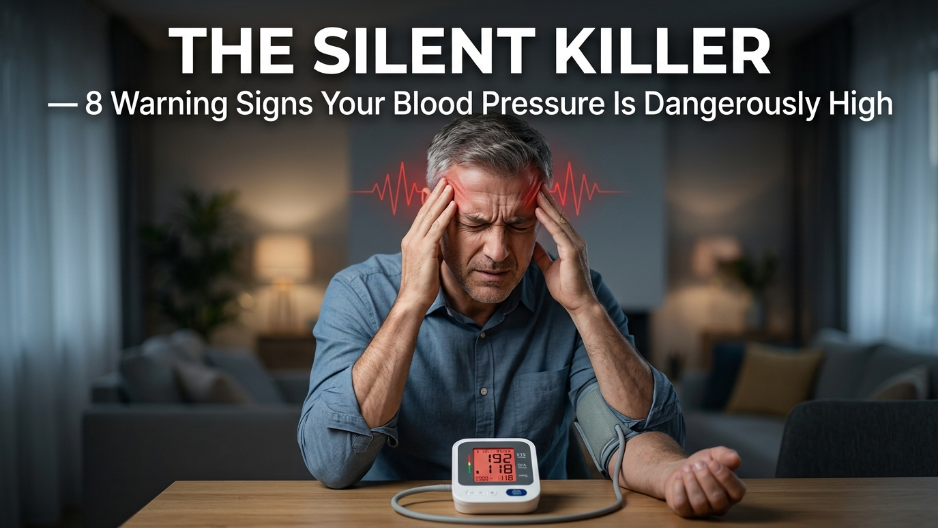
High blood pressure is often called the “silent killer” because there are usually no signs or symptoms. It can affect anyone — children, young adults, middle-aged adults, and the elderly. And the most dangerous thing about it is exactly that silence.
More than 40% of adults with high blood pressure don’t even know they have it. They feel perfectly normal while elevated pressure quietly damages their blood vessels, heart, brain, and kidneys — sometimes for years before anything visible goes wrong.
These are the eight signals your body may be sending — and that most people dangerously dismiss.
Most people blame a morning headache on dehydration, poor sleep, or stress. Those are often the cause. But there is a specific pattern worth knowing.
A dull morning headache or pressure at the base of the skull may be associated with high blood pressure. Brands Professional The key distinction is timing — headaches caused by elevated blood pressure tend to appear first thing in the morning and gradually improve as the day begins. If this pattern is consistent and unexplained, it deserves a blood pressure check.
Your eyes contain some of the smallest, most delicate blood vessels in your entire body. When blood pressure is elevated, those vessels are under strain — and your vision often reflects it before larger organs do.
Blurred or double vision can reflect strain on the tiny blood vessels in the eye. Sustained high blood pressure can damage the retina — a condition called hypertensive retinopathy — which can progress to permanent vision loss if left untreated. Blurred vision that is not explained by eye prescription changes is worth taking seriously.
High blood pressure can enlarge or strain your heart muscle, contributing to atrial fibrillation or other arrhythmias. This can feel like your heart fluttering, racing, or skipping beats.
Some people also describe feeling their own heartbeat in their neck or ears — a pulsing sensation that was not there before. Some people feel pounding in their chest, neck, or ears when blood pressure is high. If this sensation is new, recurring, or accompanied by dizziness, it should prompt an immediate blood pressure check.
This is the symptom most often attributed to something else — a busy schedule, poor sleep, getting older. But there is a specific biological mechanism at work.
Uncontrolled hypertension can impair blood flow to your brain, leading to persistent tiredness, trouble concentrating, or even episodes of confusion. When the heart has to work harder than normal to push blood through narrowed or stiffened arteries, the brain — which is an enormous consumer of blood flow — is often the first organ to show the effects through cognitive and energy changes.
A nosebleed after a blow to the face or in very dry weather is common and usually harmless. Nosebleeds that occur repeatedly without any obvious trigger are different.
Frequent or unexplained episodes can accompany sudden spikes in blood pressure. Though not a reliable early sign, repeated nosebleeds warrant a blood pressure check.
The important word here is repeated. A single unexplained nosebleed is rarely significant. A pattern of them — especially occurring in the morning or during periods of stress — is worth investigating.
Feeling unsteady when standing could signal fluctuations in blood pressure.What most people do not know is that high blood pressure and low blood pressure can sometimes coexist in the same person — elevated resting pressure combined with sudden drops upon standing. This pattern, called orthostatic hypotension, is more common in people with uncontrolled hypertension and significantly increases the risk of falls and fainting.
When blood pressure reaches dangerously high levels, the body may finally provide warning signs. Shortness of breath or chest pains are among the symptoms that can appear at this stage.
Feeling winded climbing stairs you used to manage easily, or becoming breathless doing activities that should not require much exertion, is never normal. The heart works significantly harder when pumping against elevated pressure — and over time that strain shows up as reduced exercise tolerance.
This sounds obvious. It is not.
Hypertension often develops gradually and without noticeable symptoms as it silently strains the cardiovascular system. Many people don’t discover it until after a major health event.
People assume that if they feel fine, they must be fine. But in reality, blood pressure could be elevated for years without a single physical warning sign.
The American Heart Association recommends having your blood pressure checked at least once every two years if it has previously been normal, and more frequently if you have risk factors. Home monitors are inexpensive, clinically validated, and widely available. There is no reason to go years without knowing your numbers.
A reading of 120/80 mmHg or below is considered normal. Hypertension is diagnosed when readings consistently reach 130/80 mmHg or higher. Stage 2 hypertension — readings above 140/90 — carries significantly elevated risk of heart attack, stroke, and kidney damage.
The good news is that high blood pressure is both detectable and highly treatable. Lifestyle changes alone — reducing sodium, increasing physical activity, managing stress, and improving sleep — can meaningfully lower blood pressure in many people. For others, medication is effective and well-tolerated.
None of that is possible, however, without first knowing your numbers. The most important thing you can do after reading this article is check your blood pressure — today.
Disclaimer: This content is for informational purposes only and does not constitute medical advice. Always consult a qualified healthcare professional for any health concerns.